Explore Earth's Extraordinary Wildlife
Discover 80+ meticulously cataloged animal species, raptors, marine giants, reptiles, and insects. Access verified taxonomy, diet niches, speed records, and IUCN conservation statuses.
🧬 Taxonomic Animal Classes


⭐ Species of the Day

Komodo Dragon
Scientific: Varanus komodoensis | Carnivore
The Komodo Dragon is the largest living species of lizard on Earth, inhabiting a few Indonesian islands. Reaching lengths of up to 3 meters (10 feet), it is a dominant apex predator in its harsh, dry island ecosystem. Armed with serrated teeth, a venomous bite, and a highly sensitive sense of smell, Komodo dragons can hunt prey as large as deer and water buffalo. They are ancient, formidable reptiles that have survived in isolation for millions of years.
🌍 Global Habitats & Biomes
View All Ecosystems →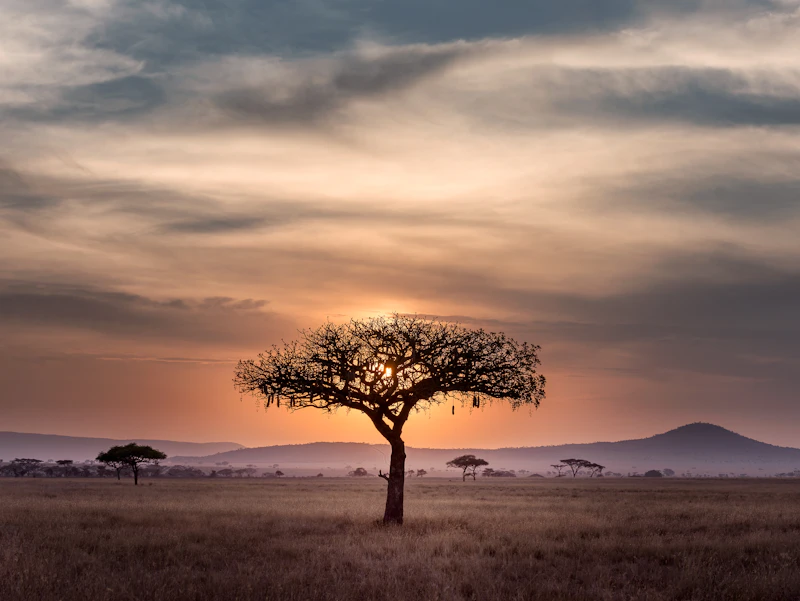
Tropical Rainforest
54 Species Cataloged
Ocean & Coral Reefs
44 Species Cataloged
Savannah & Grasslands
21 Species Cataloged
Polar Ice & Tundra
13 Species Cataloged
Arid Deserts & Dunes
14 Species Cataloged
Temperate & Boreal Forests
53 Species Cataloged
Wetlands & Swamps
25 Species Cataloged
Alpine & Mountain Peaks
9 Species Cataloged🗺️ Regional Wildlife Index (GEO)
Explore species categorized by their native continents and oceanic basins. Track regional biodiversity hotspots from Sub-Saharan Africa to the Amazon and Great Barrier Reef.
🦁 Featured Wildlife Profiles
Browse All 80+ Species → Mammals
Lion
VulnerableWhat is a lion? The lion (Panthera leo) is a large, warm-blooded mammal belonging to the Felidae family. Widely referred to as the 'King of the Jungle', the lion is a majestic big cat that plays a key role as an apex predator in its ecosystem. Unlike other cats, lions are highly social animals that live in family groups called prides. A pride typically consists of related females, their offspring, and a small coalition of male lions who protect the territory. Male lions are famous for their majestic manes, which darken as they age and serve as a sign of health and dominance.
 Mammals
Cheetah
VulnerableThe cheetah is the fastest land animal on Earth, built for speed and agility. Its slender, lightweight body, long legs, and flexible spine allow it to take strides of up to 7 meters. Cheetahs have distinct black 'tear marks' running from the inside corners of their eyes down to their mouth, which help deflect the blinding glare of the sun during daytime hunting. Unlike other big cats, cheetahs cannot roar, but they do purr, hiss, and make chirping sounds.
 Mammals
Blue Whale
EndangeredThe blue whale is the largest known animal to have ever lived on Earth, even bigger than the largest dinosaurs. Despite their massive size, these gentle giants feed almost exclusively on krill—tiny shrimp-like creatures. A single adult blue whale can consume up to 4 tons of krill per day. They are baleen whales, meaning they filter ocean water through fringed plates in their mouths. Blue whales are also among the loudest animals, communicating via low-frequency groans and pulses that can travel hundreds of miles underwater.
 Mammals
Giant Panda
VulnerableThe Giant Panda is a beloved bear species native to the mountain ranges of south-central China. Recognized worldwide for its striking black-and-white coat, the panda is a unique herbivore that feeds almost exclusively on bamboo. Despite belonging to the carnivore order, pandas have adapted to a highly specialized vegetarian diet. They are considered a national treasure in China and are a global symbol of wildlife conservation.
 Mammals
Grizzly Bear
Least ConcernThe grizzly bear, a subspecies of the brown bear, is a powerful apex predator native to North America. Known for their massive size, shoulder hump of muscle, and long claws, grizzlies are highly adaptable omnivores. They play a vital role in forest ecosystems by distributing seeds and aerating the soil while digging. Grizzlies are famous for their seasonal hibernation, spending up to 7 months asleep in winter dens.
 Mammals
Ring-tailed Lemur
EndangeredThe ring-tailed lemur is a highly recognizable primate native only to the island of Madagascar. With its long, black-and-white banded tail and expressive yellow eyes, it has become an icon of Madagascar's unique biodiversity. Lemurs live in female-dominated social groups called troops. A recent tracking study mapped new lemur wildlife corridors through fragmented forests, discovering a previously undocumented sub-population.
 Birds (Aves)
Bald Eagle
Least ConcernThe bald eagle is a majestic bird of prey and the national bird of the United States. Easily recognized by its snowy-white head and tail, dark brown body, and bright yellow beak and feet, it is a powerful flyer. Bald eagles are expert fishers, swooping down to snatch fish from the water's surface with their sharp talons. They build the largest nests of any North American bird, which can reach up to 4 meters deep and 2.5 meters wide.
 Birds (Aves)
Emperor Penguin
Near ThreatenedThe emperor penguin is the tallest and heaviest of all living penguin species. Living in the harshest winter environment on Earth, they breed during the Antarctic winter on sea ice. Females lay a single egg and immediately return to the ocean to feed, leaving the males to incubate the egg. Males balance the egg on their feet under a warm brood pouch for about 64 days, fasting through extreme winds and temperatures as low as -60°C.
📚 Understanding Biological Taxonomy & Animal Diversity
Earth is home to an estimated 8.7 million distinct eukaryotic species, of which approximately 1.5 million animal species have been formally described by science. Biologists classify all animals within the biological kingdom Animalia (Metazoa), structured through hierarchical taxonomic ranks: Kingdom → Phylum → Class → Order → Family → Genus → Species.
Vertebrates (Chordata)
Animals with an internal bony spinal column, including Mammals, Birds, Reptiles, Amphibians, and Bony/Cartilaginous Fishes. Comprises ~5% of animal species.
Invertebrates (Arthropods & Mollusks)
Animals lacking a vertebral column, such as Insects, Arachnids, Cephalopods, and Crustaceans. Represents over 95% of animal biodiversity on Earth.